Videos & Demos
1 VideoOfficial technical walkthroughs and demonstrations verified directly from the vendor.
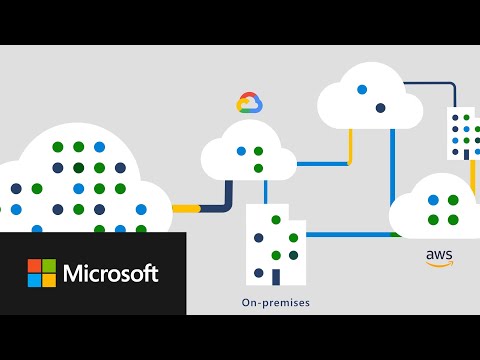
Cloud Detection and Response with Microsoft Defender for Cloud
Factual Product Summary
Microsoft Defender for Cloud from Microsoft focuses on cloud security posture and workload protection. It is cloud security technology used for assessing cloud exposure or protecting running workloads. Capabilities - Azure and multicloud posture: Brings the connected cloud environments into Microsoft's documented posture and workload assessment model. - Cloud configuration findings: Assesses the cloud security configuration scope enabled for the connected accounts. - Defender workload protection plans: Provides the workload protection functions enabled through the applicable Defender plans. - Azure and connected cloud inventory: Brings supported cloud assets into the visibility and assessment workflow. Use and operational context Microsoft Defender for Cloud is relevant to cloud and security teams working across accounts and workloads when the requirement centers on assessing cloud exposure or protecting running workloads. Scope the evaluation around the functions listed above and the assets or workflows that need coverage. A useful trial should use representative business conditions so the team can assess the quality of the results and the effort needed to act on them. Deployment and evaluation Deployment: Cloud service / SaaS. Before adoption, review cloud permissions required for onboarding, the assets assessed, runtime coverage and how findings reach remediation owners. Assign an owner for administration, document required permissions and identify how the product or service will fit the existing operating process. Buyer questions - What is the main purpose? Microsoft Defender for Cloud focuses on assessing cloud exposure or protecting running workloads. - What should a proof of concept establish? Test the listed capabilities against representative assets and workflows, record useful results and unresolved gaps, and confirm who handles follow-up work. - What should be confirmed before purchase? Ask the vendor which edition or service scope includes the required features, which dependencies must be configured and what licensing or contract terms apply. Pricing has not been verified for this catalog.
Documented Technical Capabilities
Core enterprise capabilities verified directly from official vendor engineering documentation.
Audited Ecosystem & Architecture Integrations
Native connectors, SIEM/SOAR forwarders, cloud APIs, and identity providers confirmed for interoperability.
Strong built-in regulatory compliance frameworks (NIST, CIS, PCI-DSS) with automated remediation recommendations.
Documented Capabilities & Sourced Claims
Every claim is checked against official engineering documentation or compliance reports.
Multi-cloud CSPM and CWPP supporting Azure, AWS, and Google Cloud environments
Audited Capability Specifications
Structured criteria validated against official vendor documentation for buyer comparison.
Supported cloud security postures across AWS, Azure, GCP, and Kubernetes.
Support for API-based, read-only VM disk snapshot and container scanning without agents.
Scanning Terraform, CloudFormation, Helm, and ARM templates in CI/CD.
Real-time kernel or eBPF-based container and serverless workload threat detection.
Official Sources & References
Deployment & Specifications
- Deployment Models
- Cloud service / SaaS
- Supported Platforms
- Not documented in our sources
- Customer Segments
- Enterprise, Mid-Market
- Service Geography
- Global
Pricing Transparency
About the Vendor
Microsoft offers a portfolio covering assessing cloud exposure or protecting running workloads, endpoint protection and incident investigation, authentication, access policy or identity lifecycle administration, understanding sensitive information and controlling its exposure and collecting and analyzing security-relevant events. The entries in this catalog include Microsoft Defender for Cloud, Microsoft Defender for Endpoint, Microsoft Entra ID, Microsoft Purview and Microsoft Sentinel. Microsoft Defender for Cloud focuses on cloud security posture and workload protection. Microsoft Defender for Endpoint focuses on endpoint protection and threat investigation. Microsoft Entra ID focuses on identity management and access control. When reviewing Microsoft, compare the named products individually: a platform family, a specific module and a managed service can have different scopes and purchasing requirements. Selection should account for cloud permissions required for onboarding, the assets assessed, runtime coverage and how findings reach remediation owners. Portfolio detail - Microsoft Defender for Cloud: the catalog lists Azure and multicloud posture, Cloud configuration findings, Defender workload protection plans. - Microsoft Defender for Endpoint: the catalog lists Automated investigation and remediation, Endpoint detection and response, Ransomware protection. - Microsoft Entra ID: the catalog lists Conditional-access policy, Single sign-on, Multifactor authentication. - Microsoft Purview: the catalog lists Data security and compliance portfolio, Sensitive data discovery, Data classification. - Microsoft Sentinel: the catalog lists Analytics and playbook workflows, Third-party integrations. For procurement, map each required capability to a named offering and confirm the edition, dependencies and delivery responsibility with the vendor. Product-level entries below provide the operational context and evaluation questions for that comparison.
Frequently Asked Questions: Microsoft Defender for Cloud
Key technical, architectural, and procurement questions documented for Microsoft Defender for Cloud by Microsoft.